Before the First Chair: Helping Your Child Meet the Dentist Without the Wobbles

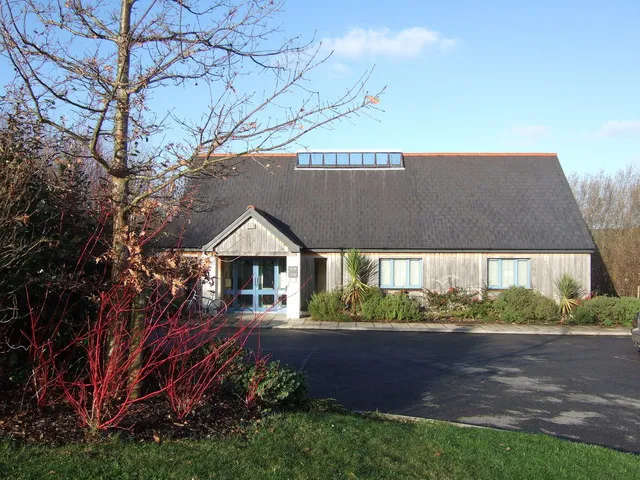
Photo: MarkScottAustinTX, CC BY-SA 2.0, via Wikimedia Commons
Your child’s first dental visit is one of those small milestones that can carry a surprising amount of parental baggage. You want it to go well. You want them to like the dentist. You also want to avoid being the parent who accidentally teaches a toddler that the word ‘dentist’ means ‘something to fear’. Deep breath. The first appointment is usually much smaller and gentler than the build-up in your head.
At Lonsdale Dental Practice, we see first visits as a chance to start a relationship, not to run a full MOT on a tiny mouth. The aim is simple: let your child meet the chair, the team and the idea of someone looking at their teeth while you stay close by.
When to book (and why earlier is easier)
In the UK, the usual advice is to take your child to the dentist when their first tooth appears, and certainly by their first birthday. That first tooth often arrives around six months, but there is no prize for waiting until they have a full set. Early visits are short, social and preventive. They help your child get used to the surgery while everything is still new and uncomplicated.
NHS dental care is free for children under 18 in England, and for under 19s in full-time education. If you are in Scotland, Wales or Northern Ireland, the arrangements can differ, so check with your practice. The practical point is the same: you do not need to wait for a problem before you book.
Book sooner if you notice a knocked tooth, a white chalky patch, brown staining, bleeding gums or a habit such as thumb sucking that you want to talk through. You do not need to wait for pain. Pain is often a late signal in small teeth.
What actually happens in the chair
The first appointment is often more of a lap visit than a chair visit. Your child may sit on your knee, or you may sit knee-to-knee with the dentist. The dentist will usually count the teeth, lift the lip to look at the gums and check the soft tissues, the bite and how the teeth are coming through. They may not need an X-ray. They may not need to scrape or polish anything. If fluoride varnish is appropriate, they will explain it first.
A good first visit can be very short. That is not a sign that the dentist is rushing. It is often a sign that they are respecting a small person’s attention span. Your child might cry. That is allowed. The team can pause, let them settle, or try again another day. Nobody is scoring you as a parent.
Preparing without passing on nerves
Children are excellent at reading the room. If you are anxious about dentists, try not to fill the car journey with warnings. Keep the language neutral: ‘The dentist is going to count your teeth and have a little look.’ Avoid ‘It won’t hurt’ if you can, because it introduces the idea that it might. Avoid promising that nothing will be done, too. The dentist may need to put a tiny amount of varnish on, and it helps if that is not a broken promise.
A morning appointment often works better than a late one. Bring a comfort toy or a favourite book. Let your child hold it. If they have a dummy or a bottle, mention it so the team can talk through habits without judgement. If you are nervous, tell reception. It is useful information, not a confession. We can adjust the appointment, explain things more slowly, or give you a moment.
What dentists look for in baby teeth
Baby teeth are not a rehearsal. They hold space for adult teeth, help with speech and chewing, and can affect how a child feels about their smile. The dentist is looking for early decay, enamel defects, gum inflammation, crowding, bite issues and habits that might need watching. They are also looking at the way the teeth meet and whether there are any signs that a child is mouth breathing or grinding.
Most of the conversation will be about prevention: brushing twice a day with fluoride toothpaste, spitting rather than rinsing, keeping sugary snacks and drinks to mealtimes, and getting used to a simple routine. Small changes made early are easier than big changes made later.
How appointments change as children grow
A toddler visit might be a quick lap check. By nursery age, many children can sit in the chair with a parent nearby. At school age, the dentist may start talking about fissure sealants, fluoride varnish and the arrival of adult molars. Around seven or eight, they may begin to note how the bite is developing, though not every child needs orthodontic treatment. Teenagers often want more privacy and more say in their care. The appointments change with the child, not against them.
If your child is nervous or has additional needs, say so when you book. A quiet appointment, a visual story, a first visit with no treatment, or a chance to meet the team before the check-up can all help. There is no single right way to do a first visit.
The takeaway
The first dental visit does not need to be a performance. It needs to be calm, short and repeatable. Book when the first tooth appears or by the first birthday, keep the language light, and let the team know what your child is like. The goal is not a perfect appointment. The goal is a child who learns that looking after their teeth is ordinary, manageable and shared with adults who are on their side.