Beyond the Bathroom Cup: A Realistic Denture Routine for Gums, Bone and Fit
Most denture advice starts and ends with a fizzing tablet and a plastic pot. That’s not wrong — cleaning matters — but it leaves out the bit that actually keeps your mouth comfortable: the gums, the bone and the soft tissue underneath. A denture is a guest in your mouth. Your gums are the landlord. Look after the landlord and the guest behaves better.
The bit that never gets a day off
Your gums are not a shelf. They are living tissue, with blood flow, nerve endings and a mucous membrane that can become sore, inflamed or infected if plaque sits on it for long enough. Denture wearers can develop what dentists call denture stomatitis — redness and soreness under the denture, often with a bit of white coating — and it is much more common when dentures are worn constantly and cleaned haphazardly.
There is also the bone. When teeth are removed, the jawbone underneath gradually changes shape. That is normal, but it means a denture that fitted beautifully a few years ago may now rock, rub or trap food. None of this is a personal failing. It is just biology doing its thing, and it is the reason a denture is not a one-off purchase you can forget about.
Your two-minute morning routine
You do not need a cabinet full of products. You need a soft brush, a non-abrasive denture cleanser and a bit of consistency.
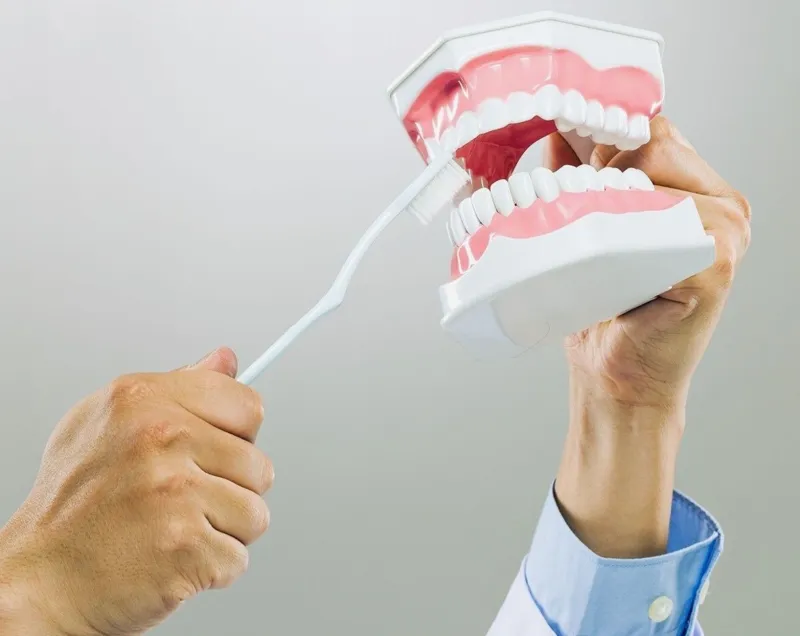
Take your dentures out before you brush. Then brush your gums, the roof of your mouth and your tongue with a soft toothbrush. This is not about scrubbing hard — gentle circles are plenty. If you still have some natural teeth, brush those with fluoride toothpaste as normal, and clean between them with interdental brushes or floss where you can.
Clean the denture itself over a bowl of water or a folded towel. Dropping a denture on a tiled bathroom floor is a classic way to turn a routine morning into an expensive one. Use a dedicated denture brush or a soft nail brush, and a denture cleanser rather than ordinary toothpaste. Regular toothpaste is abrasive enough to dull the surface of a denture over time, which makes it easier for stains and bacteria to cling on.
Overnight: give the tissue a rest
For most people, the advice is simple: take your dentures out at night. Your gums need a break from constant pressure, and the tissue needs to breathe. Leaving them in 24/7 is one of the most common reasons people end up with a sore, red palate.
Soak them in a denture-cleaning solution or plain water, following the product instructions. Do not use hot water — it can warp the acrylic — and do not use bleach. Household bleach is harsh on the material and can leave a residue you really do not want in your mouth. A denture tablet from the supermarket is fine. A mug of boiling water is not.
If your dentist has told you to wear your dentures at night for a specific reason, follow that advice. Otherwise, give your mouth the night off.
Sore spots: the three-day rule
A new denture often causes a small rub or two while your mouth gets used to it. That is normal for the first few days. But a sore spot that persists beyond three to five days, or any bleeding, swelling or a spot that feels sharp, deserves a phone call to the practice. Do not file or sand the denture yourself. It is tempting, but it usually makes things worse and can weaken the denture.
And if you find yourself reaching for adhesive every morning just to get through the day, that is a signal rather than a solution. Adhesive has its place, but it should not be doing the job of a denture that no longer fits.
When the fit changes
A loose denture is not just annoying. It can cause soreness, make chewing uneven, and affect how confidently you speak. If your denture rocks when you eat, feels bulky, or starts clicking when you talk, book a check-up. Your dentist can look at whether a simple reline — where the fitting surface is adjusted — is enough, or whether a new denture is the better long-term option. Sometimes dental implants can help stabilise a lower denture, and it is worth asking whether that is relevant for you.
In England, dentures are usually covered by Band 3 of the NHS dental charge, and you may qualify for free or reduced-cost treatment depending on your circumstances. Ask the practice if you are unsure. Private options vary, so a clear conversation about cost before treatment starts is always sensible.
The teeth you still have
If you wear a partial denture, the natural teeth it clips onto still need proper cleaning. Food can trap around clasps and under the frame, so pay attention to those edges. Your dentist or hygienist can show you how to clean around a partial denture without dislodging it.
Even if you have no natural teeth left, your mouth still benefits from a daily check. Look for red patches, white patches, ulcers that are not healing after two weeks, or any unusual lump. Most things are harmless, but getting them looked at early is the whole point of preventive care.
What to ask at your next appointment
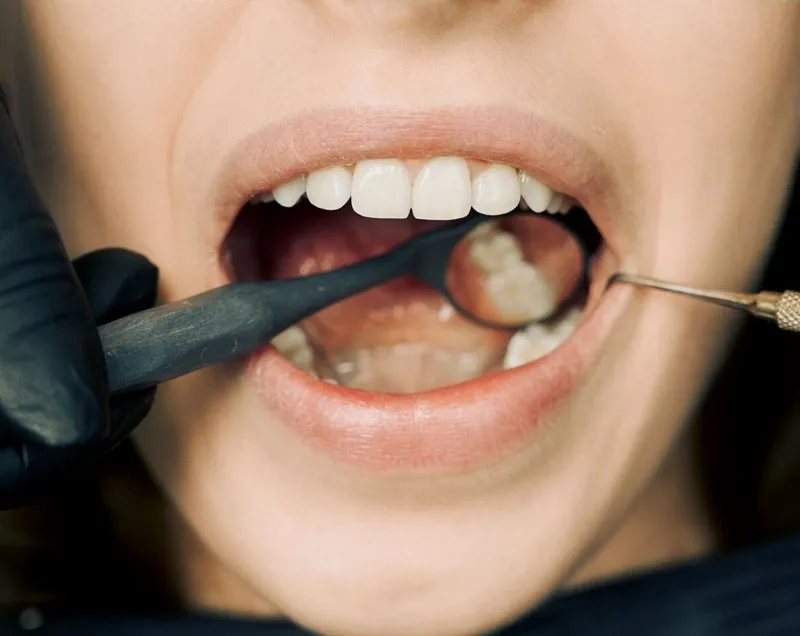
A good denture check-up is not just about looking at the denture. It is about looking at the mouth underneath. Ask:
- Does the fit still look right, or has the bone changed?
- Are there any sore areas I should keep an eye on?
- Should I use a particular type of cleanser or brush?
- Is a reline worth doing, or is it time to talk about a new denture?
- How often should I book a check-up?
At Lonsdale Dental Practice, we would rather see you for a quick fitting check than have you struggle at home with a denture that has quietly stopped doing its job. There is no lecture and no judgement — just a practical look at what is going on and what will make your mouth more comfortable.
The bottom line
Your dentures may clock off at night, but your gums do not. A soft brush, a daily clean, an overnight soak and a willingness to book a check-up when something changes will keep the whole arrangement working better for longer. And if adhesive has become a daily habit rather than an occasional helper, let that be your prompt to pick up the phone.