The Appointment You Keep Putting Off: Rethinking Dental Avoidance Without the Guilt

Photo: Luisella Planeta, CC0, via Wikimedia Commons
There is a particular kind of quiet dread that comes with knowing you should book a dental appointment. It sits at the back of your mind, occasionally surfacing when you see a practice sign or a friend mentions their check-up. Then you think, 'I'll book when it hurts.'
It is an understandable thought. It is also, unfortunately, a trap. Pain is not an early warning system; it is more like a late notification. By the time a tooth is keeping you awake, the problem has usually had plenty of time to get comfortable.
The logic of waiting for pain
Dental problems are often quiet. Early decay can be painless. Gum disease can bubble along for months without so much as a twinge. A small cavity is a filling; the same cavity after a year of waiting might be a root canal, a crown or an extraction. The irony is that waiting for pain often turns a manageable, cheaper appointment into an urgent, more expensive one.
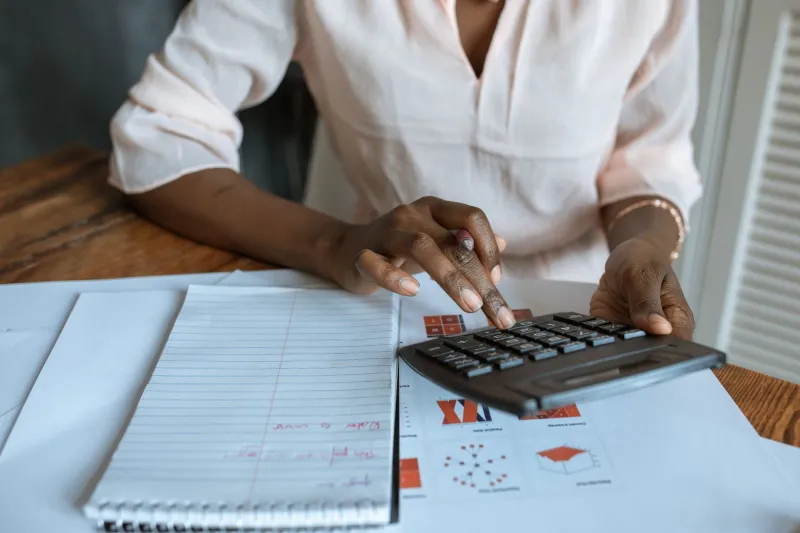
The same applies to the wallet. An emergency appointment, out-of-hours care and more complex treatment tend to cost more than a routine check and a small filling. Avoiding the dentist to save money can work out as a false economy.
What is really behind the delay
Most people who put off booking are not lazy or careless. They are dealing with one or more very real barriers.
Cost is a big one. NHS dental charges are not always easy to understand, private fees vary, and nobody wants an awkward conversation about money while sitting in a dental chair. Embarrassment is another. If it has been years since your last visit, it is easy to imagine being judged. Busy schedules, childcare, work pressure and a simple dislike of the whole experience all play a part. So does anxiety — genuine, physical dental anxiety that has nothing to do with being dramatic.
A previous bad experience can also linger long after the appointment itself. Once that happens, the thought of going back can feel bigger than it really is.
The cost question, answered honestly
It is fine to ask about money before you book. A good practice will not be offended. Ask what a new patient examination costs, what it includes, and whether x-rays are extra. Ask for a written treatment plan with costs before any non-urgent work goes ahead. If you are on a tighter budget, ask whether the practice offers a membership or payment plan that spreads the cost.
NHS dentistry, where available, works on banded charges, and a routine check-up sits in the lowest band. Private practices set their own fees, so it is worth comparing a couple of local options and asking directly. The key is to replace vague dread with actual numbers. A clear figure is almost always less frightening than the one you have invented.
Embarrassment is not a dental condition
Dentists and hygienists see mouths in all sorts of conditions. They are not keeping a league table of who has waited longest. If you have not been in years, you will not be the first person that week to say so. You are allowed to turn up with a bit of trepidation and say, 'I haven't been for a while and I'm a bit nervous.' That sentence is useful information, not a confession.
Flag anxiety in advance
If you are anxious, tell the practice when you book. Ask for a longer appointment, a quieter time of day, or a chance to meet the dentist before any treatment. Ask what the stop signal is — most clinicians will agree a hand raise means pause. Some practices offer numbing gel before injections, and some offer sedation for more anxious patients. None of this is unusual, and asking for it does not make you difficult.
Questions worth asking before you commit
A short list can make the whole thing feel more manageable:
- How much is a new patient check-up, and what does it include?
- Is there a payment plan or membership option?
- What is the cancellation policy?
- Can I book a morning or evening slot?
- Can I have a longer appointment if I am anxious?
- Will I get a written treatment plan with costs before anything goes ahead?
You do not need to ask all of these at once. Even one or two answers can make the practice feel less like a black box.
Small steps that make booking easier
Pick a specific time to call, rather than waiting for a burst of motivation. If phone calls are the problem, use an online form or email. Book just a check-up, not a whole course of treatment. Bring someone with you if that helps. Plan something pleasant afterwards — a coffee, a walk, a podcast on the way home. The aim is not to become someone who loves dental appointments. The aim is to show up once, see how it goes, and take it from there.
The kindest option is usually the earlier one
An early check is usually simpler, cheaper and less invasive than an emergency visit. It also gives you information. You might be told everything is fine, which is a genuinely lovely outcome. You might be told there is a small issue that is easy to sort. Either way, you stop carrying the vague worry around.
There is no shame in having avoided the dentist. It is a common and very human thing to do. But the appointment you keep putting off is rarely as bad as the version in your head. Booking before it hurts is not just better for your teeth — it is often kinder to your bank balance too.